
wajsic.com
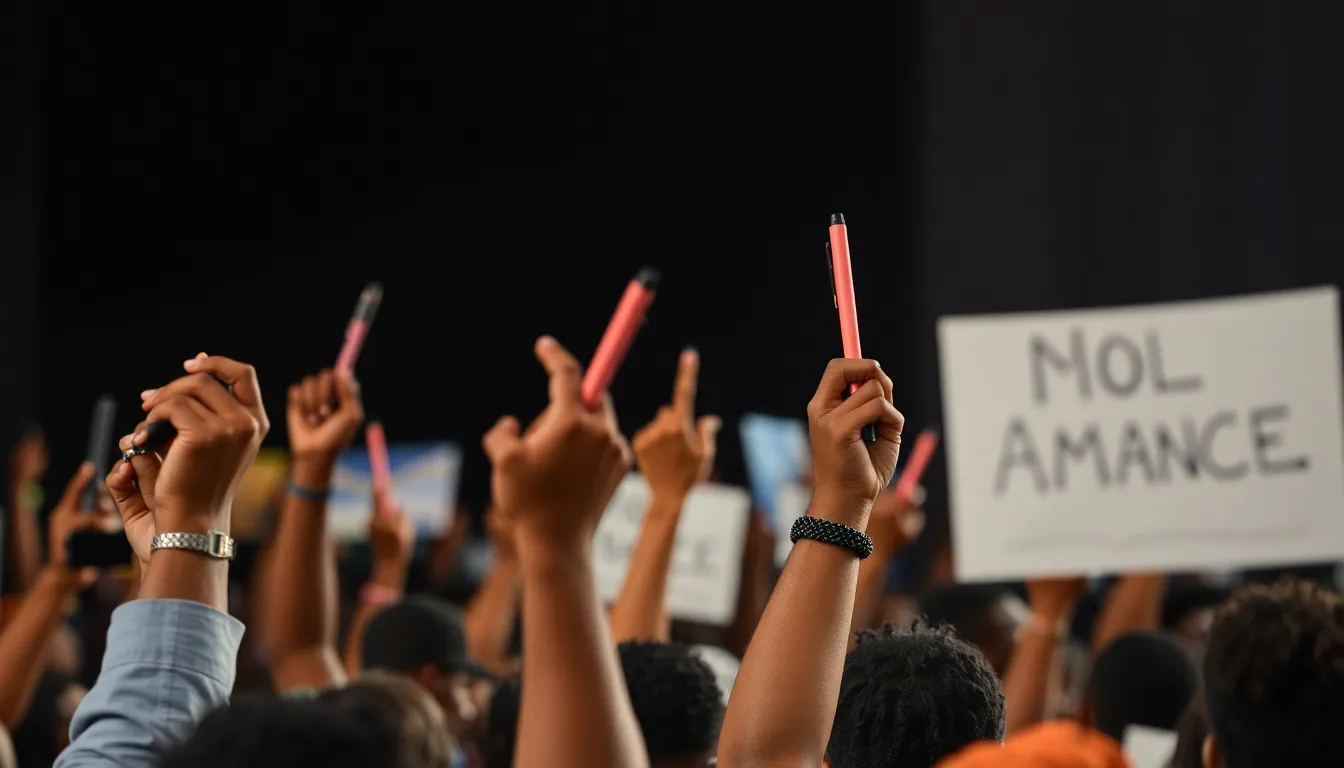
Journalism is often called the “Fourth Estate,” the watchdog of democracy. But in many parts of West Africa, that watchdog is under siege — censored, criminalized, or even killed for doing its job.
When press freedom is attacked, the effects ripple far beyond newsrooms. It affects public accountability, transparency, human rights, and democratic development.
This is where civil society must step in.
From legal aid groups to youth-led campaigns, civil society organizations (CSOs) and concerned citizens play a critical support role for embattled journalists and media houses.
When journalists face threats or harassment, civil society often becomes the first line of defense.
Legal organizations provide urgent legal representation.
Human rights groups sound the alarm through rapid response alerts.
Shelter and advocacy networks (like WAJSIC) provide physical safety.
💬 “If a journalist is arrested at night, it’s not the media that gets them out — it’s the lawyers, the advocates, the networks.”
— West African media freedom advocate
Without these safety nets, individual journalists are left exposed to systems designed to silence them.
Civil society amplifies the voice of journalists when the state tries to drown them out.
CSOs issue public statements condemning press freedom violations.
Social media campaigns raise awareness and mobilize global support.
Protests, petitions, and solidarity actions put pressure on governments.
In Ghana, Nigeria, Sierra Leone and beyond, it has often been CSO-led pressure that forced authorities to:
Drop bogus charges
Release detained journalists
Investigate attacks on media workers
This public advocacy is often the only barrier between a journalist and continued persecution.
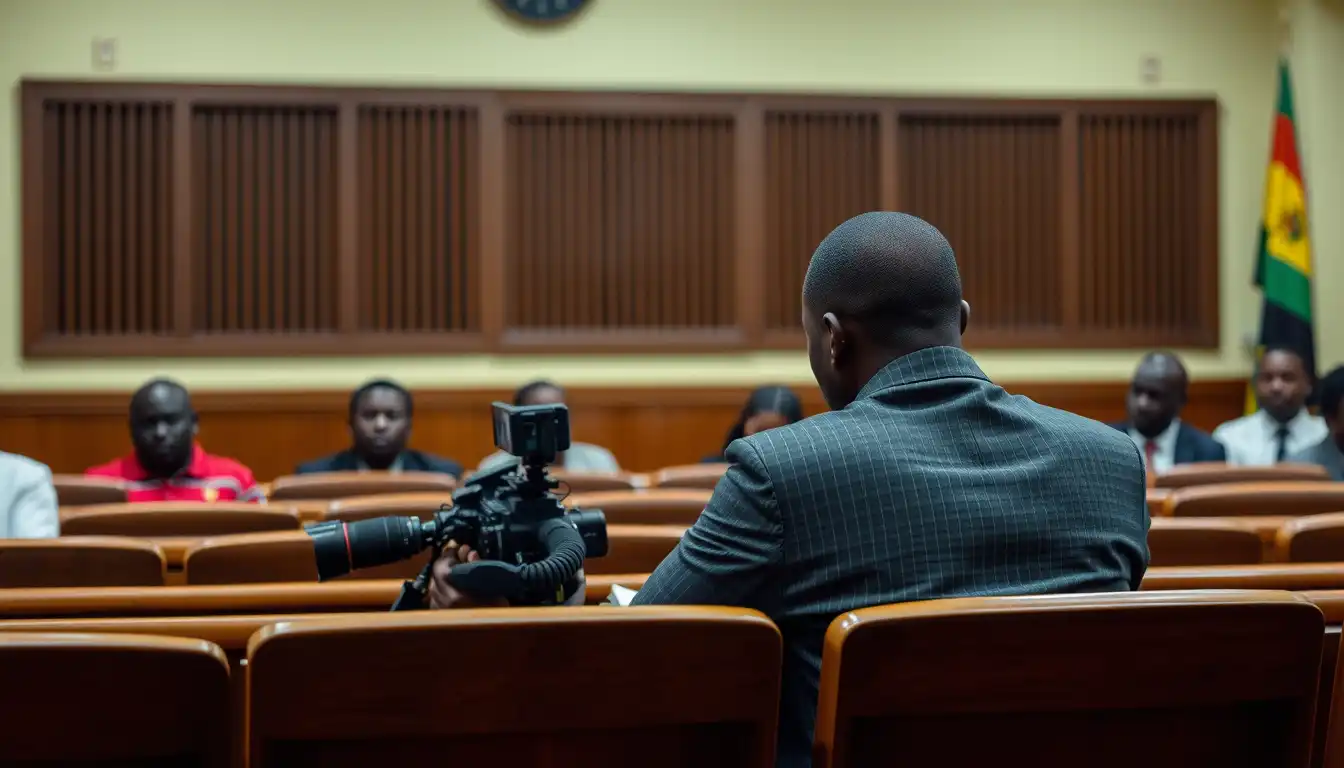
Laws can either protect journalists or weaponize silence against them. Civil society groups play a vital role in:
Campaigning for Right to Information (RTI) laws
Challenging criminal defamation statutes
Demanding stronger whistleblower protections
Drafting model legislation for media freedom
These reforms are critical for long-term change — creating an environment where journalists don’t just survive but thrive.
Civil society organizations also empower journalists to be safer and more resilient.
Digital security training for journalists under surveillance
Workshops on trauma recovery and mental health
Funding for investigative reporting projects
Fellowships, mentorships, and legal literacy programs
WAJSIC, for instance, partners with regional and international CSOs to offer holistic protection and support for at-risk journalists — beyond just physical safety.
Perhaps the most powerful role civil society plays is simply standing with journalists — reminding them they are not alone.
Religious leaders denouncing media suppression
Artists and musicians raising awareness through their work
Citizens supporting ethical journalism with their voices, platforms, and wallets
When communities protect journalists, it becomes harder for bad actors to isolate, smear, or eliminate them.
Press freedom thrives when the public defends it as their own right — not just a media issue.
Journalists expose the truth — but it takes a collective shield to keep that truth alive.
Civil society, in all its forms, is essential in the fight for a free and fearless press. The work of defending journalism belongs not just to media professionals, but to every citizen who believes in truth, accountability, and justice.
Because when the press is under attack, democracy is under attack. And none of us can afford to stay silent.
Whether you’re an organization, media house, donor, or advocacy group, your partnership can help us shelter whistleblowers, train journalists, and defend press freedom. Fill out this form and our team will get in touch to explore meaningful collaboration.
NB: All information shared is kept confidential and used solely to explore partnership opportunities with WAJSIC