A three-day training on investigative journalism and safety concluded in Accra on May 14, 2026, for residents supported by The...

Find answers to common questions about WAJSIC’s mission, safe houses, and how we protect those who speak the truth.
WAJSIC stands for Whistleblowers, Activists and Journalists Safety International Centre. Beyond journalists, the Centre also protects human rights defenders, activists, and advocates whose work challenges corruption, injustice, and abuse across Africa. Founded by investigative journalist Anas Aremeyaw Anas, WAJSIC exists to ensure these courageous truth-tellers have a safe haven and vital support.
A safe house is a secure, confidential residential facility that provides temporary shelter, protection, and support services to individuals facing serious threats or risks due to their professional or advocacy work.
Explanation:
Safe houses are often used during periods of acute danger — such as after receiving death threats, escaping surveillance, or facing unlawful arrest or attack. These facilities safeguard both physical and psychological well-being.
Example:
A journalist investigating illegal mining receives credible threats and notices being followed. They are temporarily housed in a safe house while legal and protective measures are arranged.
Eligible residents include journalists, activists, whistleblowers, and human rights defenders at imminent risk due to their work. Each case is assessed individually based on threat level, urgency, and available space.
Explanation:
Eligibility depends on risk assessment, not popularity or job title.
Example:
A civil servant who exposed procurement fraud and faces threats may qualify.
A journalist experiencing workplace conflict without credible threats may not qualify immediately.
No. The location is strictly confidential and only disclosed to authorised personnel on a need-to-know basis.
Explanation:
Secrecy ensures the safety of residents and staff. Disclosure could endanger lives.
Example:
Even donors and partners don’t know the precise location, though they may receive anonymised updates or visit off-site administrative offices.
Secure accommodation
Medical and psychological support
Legal advice
Risk and safety planning
Communication and digital security guidance
Social reintegration and livelihood planning
Explanation:
The goal isn’t only shelter but holistic support — covering trauma, legal needs, and safety.
Example:
A whistleblower facing cyber threats might get both shelter and digital safety training; a rights defender recovering from arrest trauma may receive counselling and legal aid.
Stays typically range from a few days to three months, sometimes longer, depending on threat level, legal processes, and personal recovery.
Explanation:
Cases are reviewed regularly. Safe houses are temporary, and residents are supported to transition to long-term safety.
Example:
A journalist whose attacker was arrested may stay 2–3 weeks.
A whistleblower involved in an ongoing trial might stay until it concludes.
Yes, but with restrictions. Digital device use may be limited or monitored to protect security.
Explanation:
Phones can reveal location or compromise communications. Balance is key.
Example:
Residents might use anonymised devices, disable GPS, or avoid social media during their stay.
Follow house rules and security protocols
Join assessments and planning sessions
Respect others’ privacy
Avoid actions that risk security
Explanation:
A safe house is shared space. Everyone’s safety depends on collective responsibility.
Example:
Loud music or unapproved guests may be forbidden; residents may also have daily check-ins.
Only with prior approval and security coordination.
Explanation:
Unapproved exits can endanger the resident and others.
Example:
A resident going to court may be escorted or provided secure transport.
Sometimes. It depends on capacity and risk assessment. Some safe houses admit children; others arrange alternative care.
Explanation:
Bringing children increases complexity. Partners may help place them safely.
Example:
A mother may get a private room or relocate her children to a secure nearby school.
Yes. Services are free for eligible residents, funded by WAJSIC, donors, and partners.
Explanation:
Charging fees could prevent those most at risk from getting help.
Example:
A whistleblower pays nothing, but selling their story to the media during residence may breach confidentiality.
Breaches are handled under the Resident Conduct Policy, from warnings to relocation or dismissal.
Explanation:
Fairness matters, but safety always comes first.
Example:
Repeatedly breaking curfew or sharing photos may result in being asked to leave.
Not while in the safe house unless formally cleared.
Explanation:
Media exposure can heighten risk. Speaking publicly usually happens after proper planning.
Example:
A journalist may later do an interview from a secure location, but not while resident.
Yes. Residents can access trauma-informed counselling and psychosocial support.
Explanation:
Many residents face PTSD, stress, or burnout. Healing the mind is part of holistic safety.
Example:
A rights defender tortured in detention might see a clinical psychologist.
An exit plan may include:
Safe relocation
Legal status or case follow-up
Travel arrangements
Connection to support networks
Explanation:
Exits are planned, not sudden, ensuring continued safety.
Example:
A whistleblower might relocate to another city with legal aid and new accommodation.
Yes, if they:
Don’t meet the threat criteria
Pose a risk to others
Refuse protocols
Need support beyond the safe house’s scope
Explanation:
Resources are limited; admissions focus on genuine high-risk cases.
Example:
Someone fleeing domestic violence might be referred to a specialist shelter.
The purpose of a safe house is to protect, support, and empower courageous individuals who stand up for truth and justice. Residents share responsibility to keep it a safe, respectful, and healing space for all.
These numbers reflect our ongoing efforts to protect truth-tellers—and the support we still need to keep them safe.

A three-day training on investigative journalism and safety concluded in Accra on May 14, 2026, for residents supported by The...

They fled for their lives. Now they are learning to live again. The Whistleblowers, Activists and Journalists Safety International Center...

May 3 is not just a commemoration. It is a reminder of the cost of courage, of the weight of...

For the journalists, whistleblowers, and activists living in WAJSIC safe houses across Ghana, danger is the reason they fled. But...
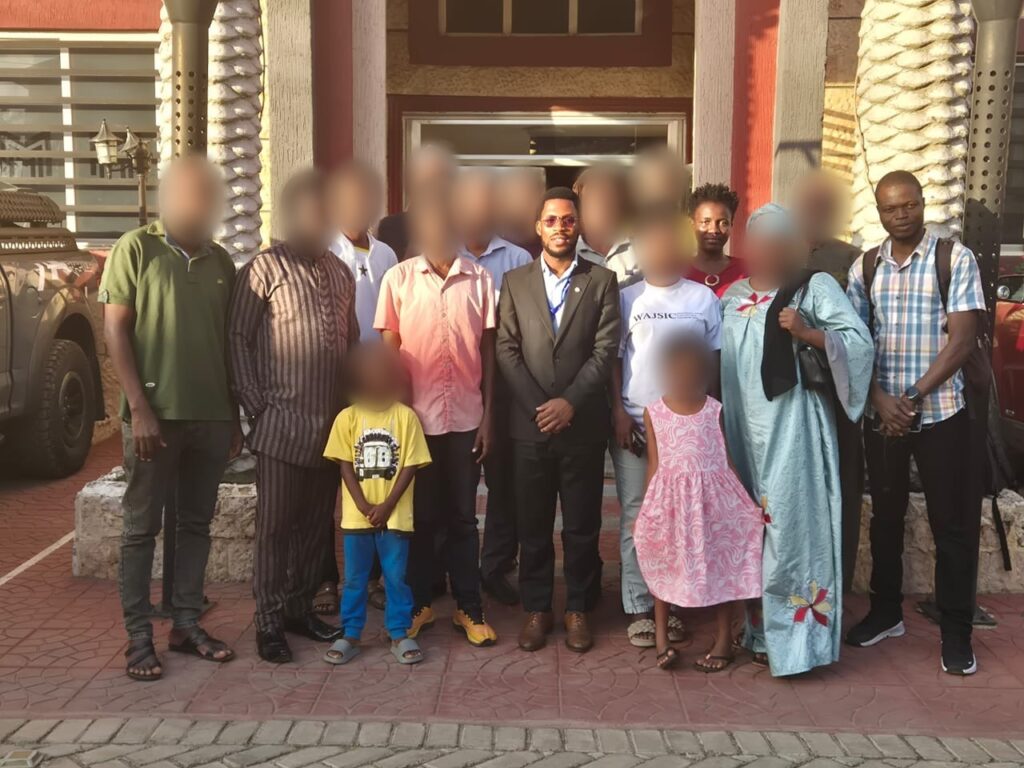

The Embassy of the Netherlands in Ghana has paid a working visit to the Whistleblowers, Activists and Journalist Safety International...

The Whistleblowers, Activists and Journalist Safety International Center (WAJSIC) has hosted a delegation from GIZ (Deutsche Gesellschaft für Internationale Zusammenarbeit)...

A recent meeting between Arlande Aroukoun and investigative journalist Anas Aremeyaw Anas has shed light on the foundation's vision for...

Accra, Ghana – In a heartfelt ceremony held on February 13, 2026, the family of journalist Awagasi George Bukari officially...

The Platform to Protect Whistleblowers in Africa (PPLAAF) in collaboration with the Whistleblowers,Activist and Journalist Safety International Center (WAJSIC) has...
Whether you’re an organization, media house, donor, or advocacy group, your partnership can help us shelter whistleblowers, train journalists, and defend press freedom. Fill out this form and our team will get in touch to explore meaningful collaboration.
NB: All information shared is kept confidential and used solely to explore partnership opportunities with WAJSIC