
Wajsic Editor
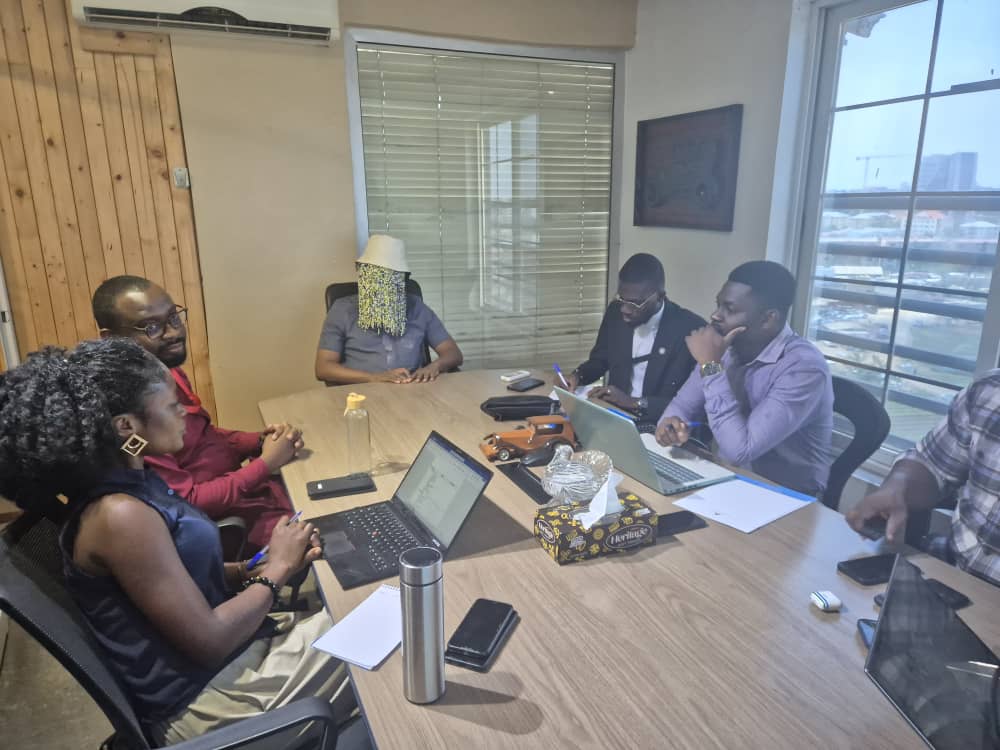
Accra, Ghana – The Whistleblowers, Activists and Journalist Safety International Center (WAJSIC) has hosted a delegation from GIZ (Deutsche Gesellschaft für Internationale Zusammenarbeit) for a Commercial and Legal Eligibility (KEP) assessment, marking a critical step toward securing a grant to expand its protection and support for at-risk journalists, activists, and whistleblowers.
The GIZ team, comprising Jonathan Donkor and Phillis Larbi, paid a working visit to WAJSIC to conduct the fresh eligibility evaluation, which will determine the center’s qualification for funding. They were received by WAJSIC’s leadership, including board chairman Anas Aremeyaw Anas, alongside Abdul Rahman Idrisu, Benjamin Adjapong, Poasan Bernice Abanga, and Abdul Lateef Dawud.
During the engagement, Anas Aremeyaw Anas briefed the visitors on the motivation behind founding WAJSIC, outlining the organization’s mission, vision, and objectives. He also detailed its successes to date as well as the ongoing challenges it faces. A key highlight of his presentation was the ‘Sankofa Project’—an initiative that monitors repatriated residents and tracks their progress after their stay with WAJSIC.
WAJSIC’s accounts officer walked the GIZ team through requested financial documents, explaining the center’s financial obligations, auditing procedures for transparency and accountability, procurement processes, and compliance templates. The GIZ officials raised several questions, which the WAJSIC team answered to their satisfaction.

In their advisory remarks, the GIZ team urged WAJSIC to review and amend its initial budget and proposal submitted for the grant to ensure successful project execution. They explained that local subsidy funding comes with a stricter and more limited reporting period and structure, whereas the proposed grant offers less direct supervision but places greater responsibility on the grantee.
The officials added that emergency funding can be incorporated into the budget, provided it aligns with the basis of the original proposal. They also confirmed that WAJSIC maintains independent control over its budget and can amend it as needed to meet the needs of its residents.
A video presentation was shown during the meeting, highlighting the plight of several residents who have passed through WAJSIC, along with their personal testimonials.
Concluding the session, the GIZ team noted that the PAIRed project is a three-year initiative. If WAJSIC is successfully enrolled for the grant, it will represent a continuation of the work already carried out under the local subsidy—meaning WAJSIC would have two years left to run the project once the grant is approved.
Whether you’re an organization, media house, donor, or advocacy group, your partnership can help us shelter whistleblowers, train journalists, and defend press freedom. Fill out this form and our team will get in touch to explore meaningful collaboration.
NB: All information shared is kept confidential and used solely to explore partnership opportunities with WAJSIC