
Wajsic Editor
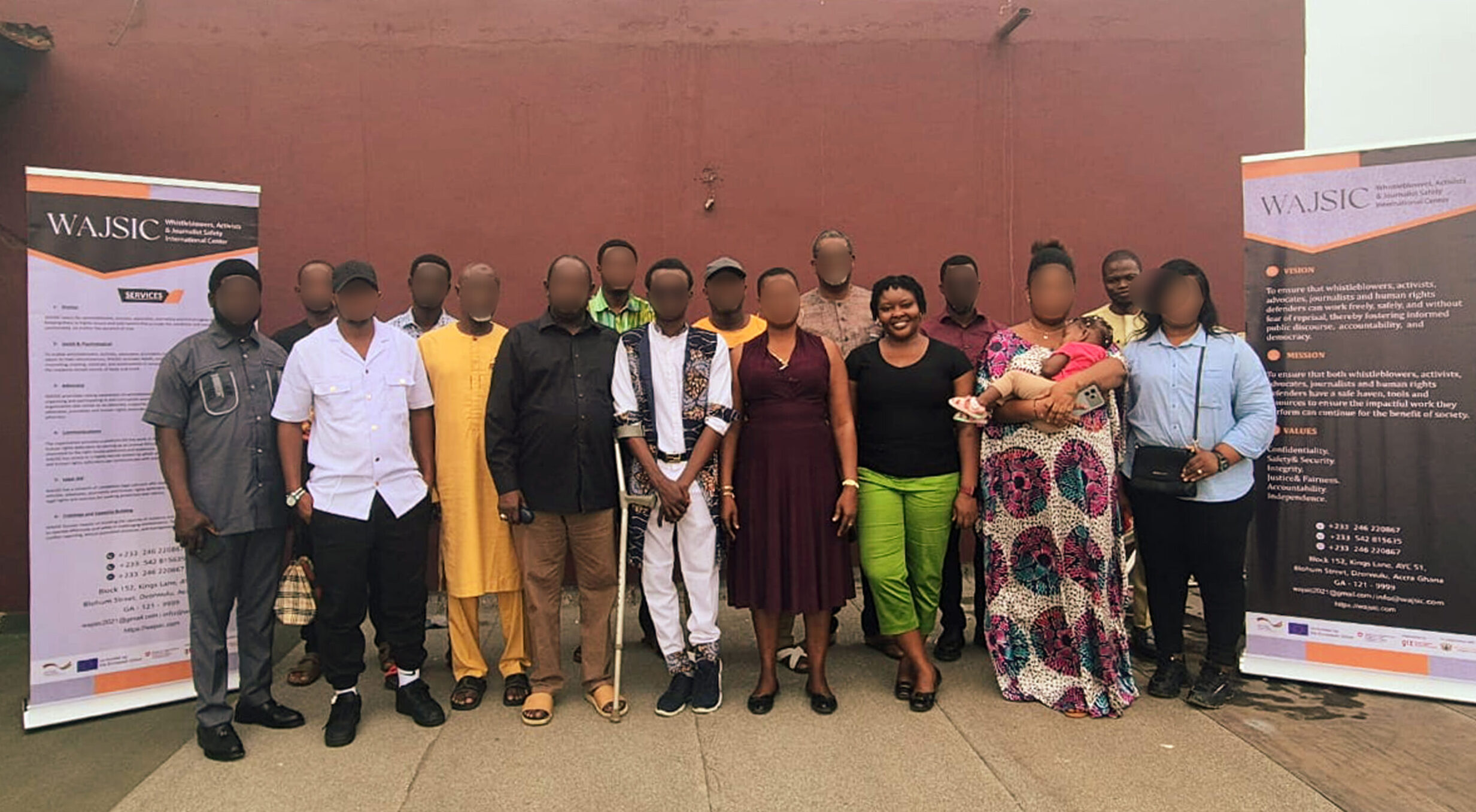
ACCRA, Ghana – They fled for their lives. Now they are learning to live again. The Whistleblowers, Activists and Journalists Safety International Center (WAJSIC), with support from the Netherlands Embassy in Ghana, has held a three-day intensive workshop on mental health awareness, trauma, and emotional safety for residents in hiding.
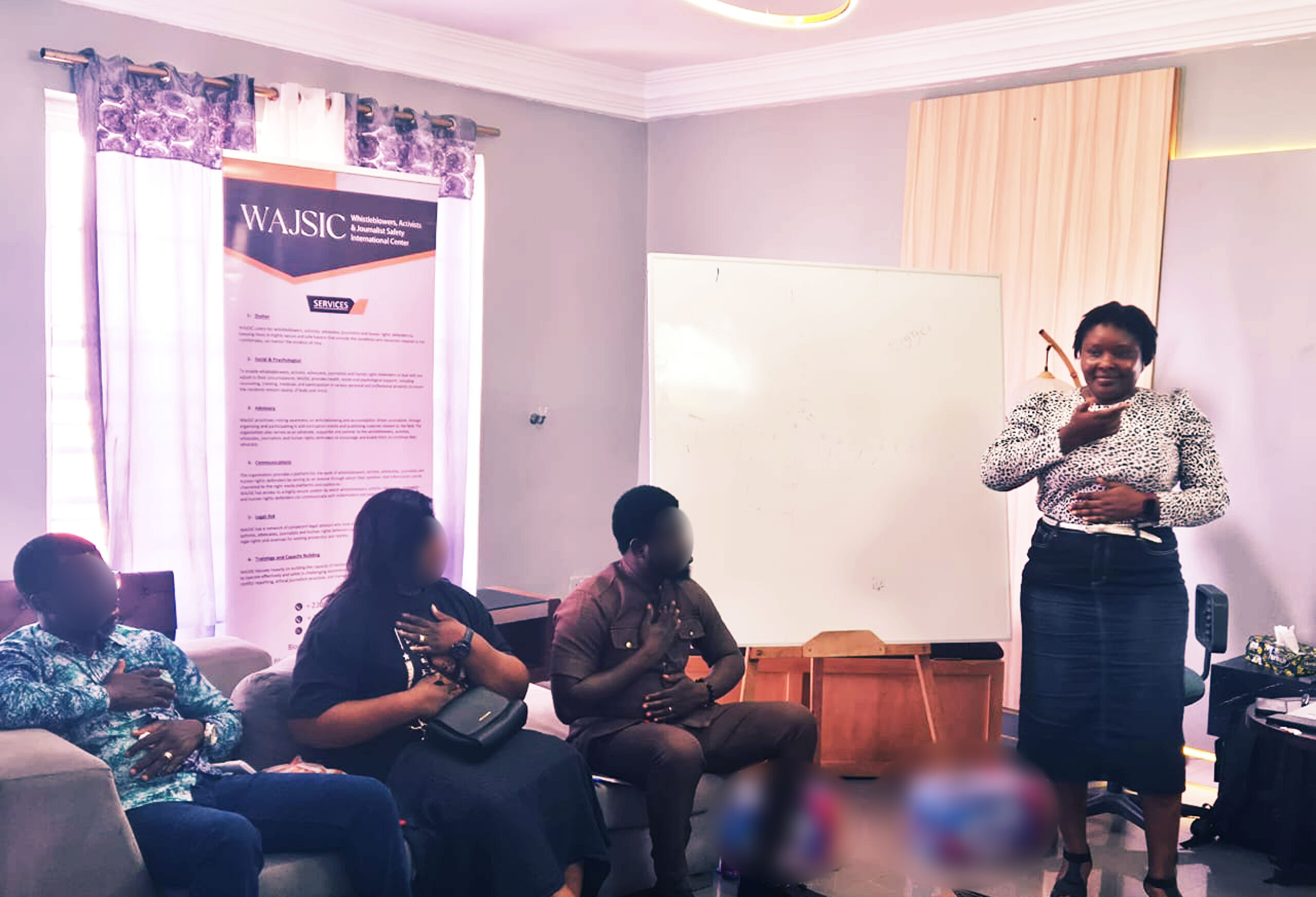
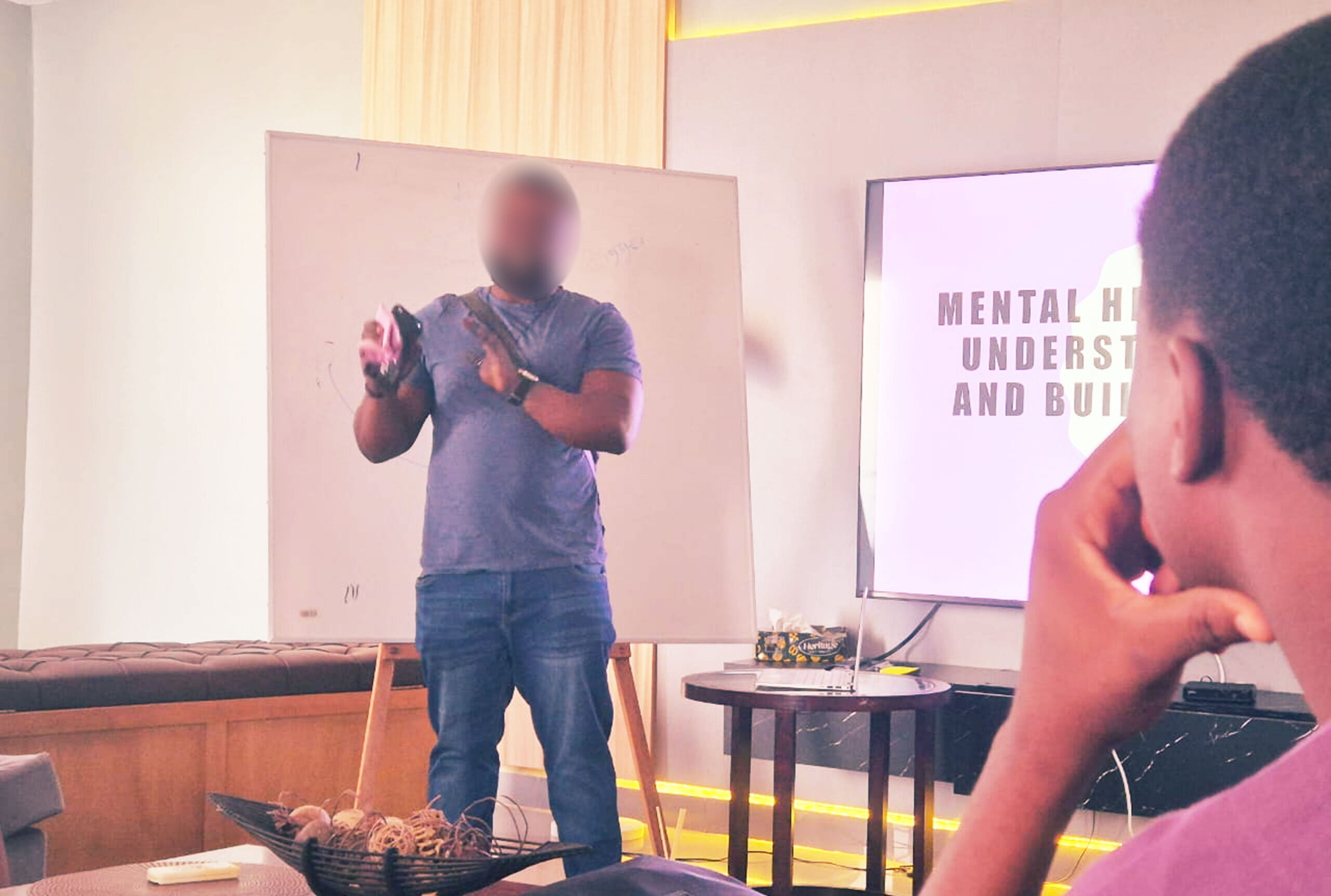
Held at the WAJSIC headquarters, the workshop brought together residents from the organization’s safe houses across Ghana. The participants—whistleblowers, activists, and journalists living in hiding after work-related threats—were a mix of English and French speakers. The session was facilitated by Dr. Rita Appiah-Danquah, a clinical psychologist who tailored mental health information to their high-risk backgrounds.
While all newly admitted residents routinely undergo psychological sessions for fresh trauma, this workshop served as an upgraded, more intensive version of that intake. Before the sessions began, the Operations Officer for WAJSIC, speaking on behalf of founder Anas Aremeyaw Anas, urged participants to fully engage. “Let us all cooperate to make these three days a very fruitful one,” he said.
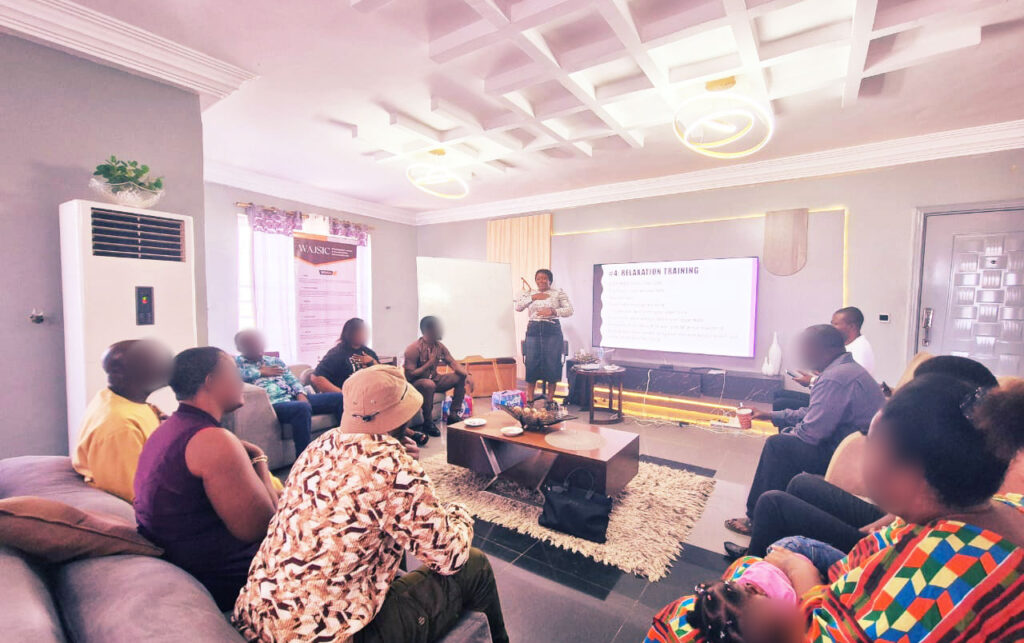
Dr. Appiah-Danquah defined mental health as sound well-being: thinking clearly, enjoying relationships, coping with stress, and working productively. Given the participants’ history of persecution—many have exposed corruption or reported on sensitive issues—a major focus was Post-Traumatic Stress (PTSD) . A short stress test revealed nearly every participant had undergone significant stress.
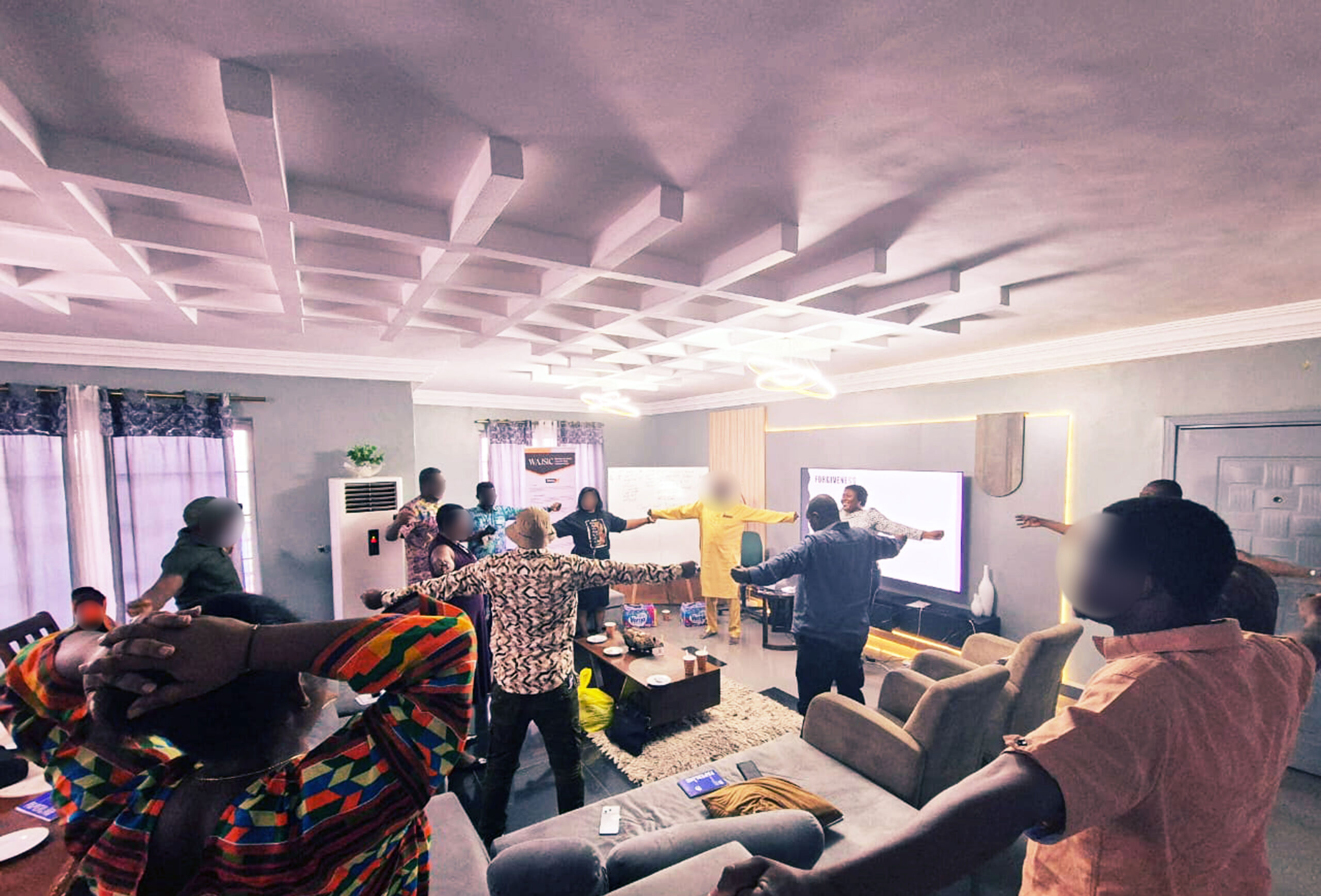
Building on the foundation of understanding trauma, the workshop then moved into practical tools for daily emotional resilience. It covered mindfulness and general stress management techniques, including how to avoid unnecessary stress and how to say “no.” One powerful exercise focused on forgiveness. Participants clenched their fists, squeezing harder based on the gravity of their offense, then released when uncomfortable. Most could not hold the tension for three minutes. Dr. Appiah-Danquah added that forgiveness benefits not the other person, but yourself.
From there, discussions on relationships and boundaries incorporated Maslow’s Hierarchy of Needs. The group also tackled stereotyping and the Cycle of Violence—honeymoon, tension, explosion, love/hope, and fear/hope—providing a framework to recognize toxic patterns.
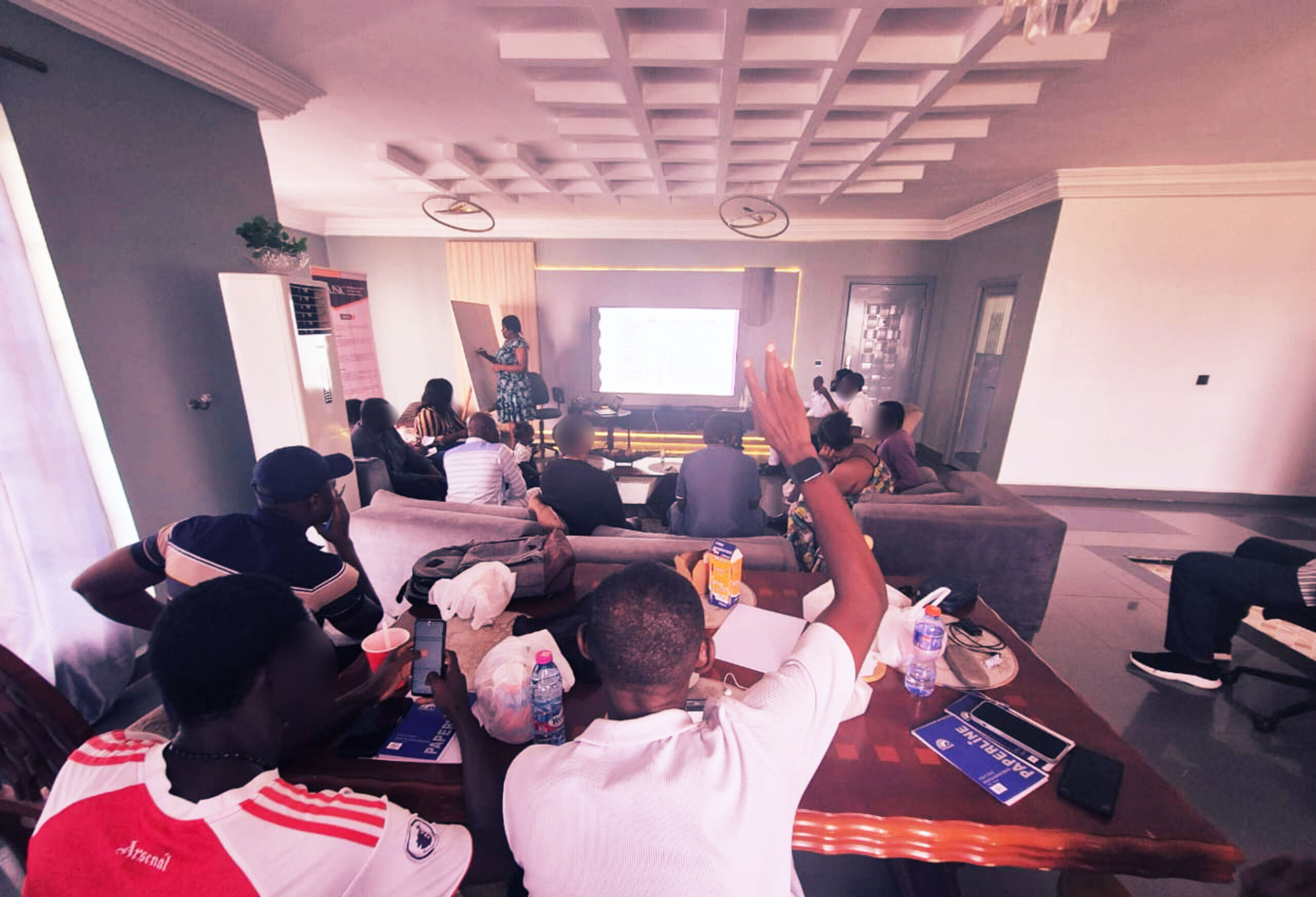
The workshop ended with an open question session. One participant, a radio presenter who was attacked last year for demanding accountability in his community, was shot in the hand and is still healing. “My intention was that when I recover from here, I am going back to the battlefield,” he admitted. “But per the topics we have gone through, it has washed all those things from my mind.” He thanked WAJSIC and Dr. Appiah-Danquah for transforming his desire for vengeance into emotional recovery.
The Executive Director at WAJSIC assured residents that medical assistance requests are underway. Reaffirming its commitment to press freedom and human rights, the Netherlands Embassy – Ghana has agreed to continue supporting WAJSIC in such projects. The embassy delegation visited WAJSIC a couple of weeks ago to assess its work. In closing, participants were encouraged to refer at-risk colleagues to WAJSIC for safety and support.
Whether you’re an organization, media house, donor, or advocacy group, your partnership can help us shelter whistleblowers, train journalists, and defend press freedom. Fill out this form and our team will get in touch to explore meaningful collaboration.
NB: All information shared is kept confidential and used solely to explore partnership opportunities with WAJSIC