
wajsic.com

Corruption is one of the greatest threats to development, democracy, and justice in West Africa. But while its impacts on economies and governance are widely known, far less attention is given to those who risk everything to expose it — the whistleblowers, investigative journalists, and frontline activists.
These individuals often face a brutal backlash: job loss, surveillance, criminal charges, mental breakdowns, exile, or even death.
This is the hidden cost of exposing corruption — a cost paid in silence, in fear, and sometimes in blood.
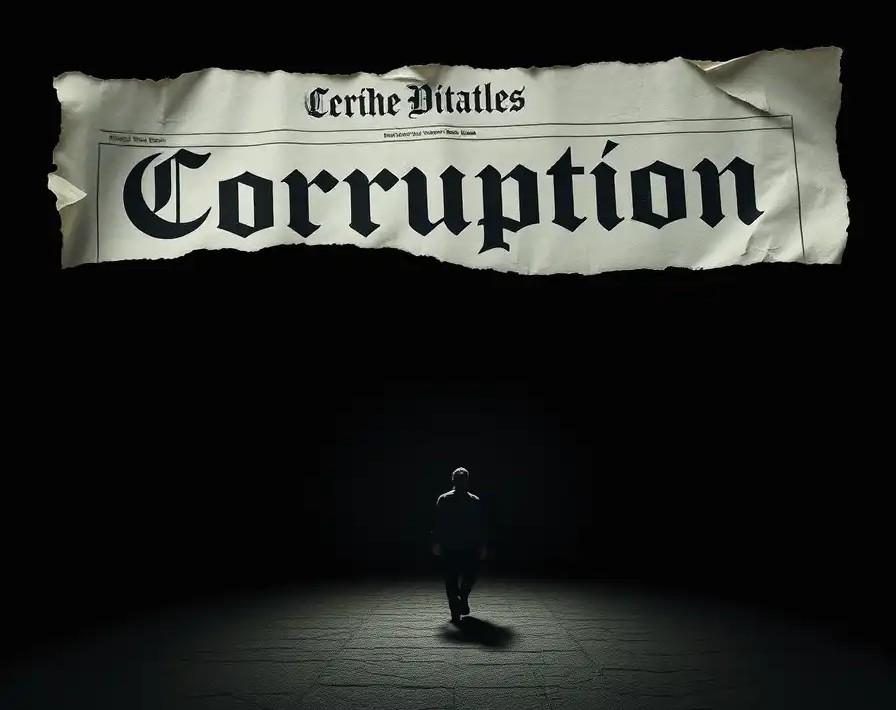
Blowing the whistle or publishing an exposé rarely leads to a promotion. More often, it ends a career.
Public servants are transferred, suspended, or dismissed.
Journalists are blacklisted, denied credentials, or lose media support.
Activists are labeled enemies of the state.
💬 “I exposed procurement fraud in my agency, and within a week, I was transferred to a remote district with no explanation.”
— Anonymous civil servant
In regions with high unemployment and no whistleblower protection laws, losing your job can mean long-term economic hardship — not just for you, but for your entire family.
Exposing corruption invites retaliation that’s often designed to intimidate, isolate, and break the whistleblower emotionally.
Constant fear of being followed or harmed
Online abuse and disinformation campaigns
Family members facing social pressure or threats
Many whistleblowers suffer from:
PTSD (Post-Traumatic Stress Disorder)
Depression and anxiety
Survivor’s guilt (if others are harmed)
Some even begin to question whether telling the truth was worth the cost.
One of the most common weapons used against whistleblowers is weaponized legal action. Instead of addressing the allegations of corruption, the system goes after the accuser.
Strategic lawsuits to silence whistleblowers (SLAPPs)
Defamation suits filed by powerful individuals
Arrests under cybercrime or national security laws
💬 “They sued me for defamation, not because I was wrong, but because they knew I couldn’t afford to defend myself in court.”
— Investigative journalist, Nigeria
The court process becomes the punishment itself — draining resources, wasting time, and exhausting the truth-teller.
In some cases, exposing the truth puts the whistleblower’s life in immediate danger.
Surveillance
Physical assault
Threats of kidnapping or assassination
To survive, many are forced into hiding — or exile.
WAJSIC has seen cases where journalists must flee their homes at midnight, activists are evacuated from rural villages, or whistleblowers seek asylum abroad just to stay alive.
This is the ultimate cost — being driven from everything familiar because you dared to speak.

Remembering Ahmed isn’t about mourning alone. It is about continuing what he started: defending the truth, protecting those who reveal it, and ensuring no journalist or whistleblower ever feels alone.
At WAJSIC, Ahmed Hussein-Suale remains not just part of our past, but a guiding light for our future.
Corruption is a public crime. But in West Africa, the private cost of confronting it is disproportionately borne by a few courageous individuals — and those costs are hidden in fear, exile, and trauma.
This is why organizations like WAJSIC exist — to stand between truth-tellers and the systems trying to crush them.
Until there are real protections, anti-corruption champions will continue to pay too high a price. And society will continue to lose its bravest voices.
Whether you’re an organization, media house, donor, or advocacy group, your partnership can help us shelter whistleblowers, train journalists, and defend press freedom. Fill out this form and our team will get in touch to explore meaningful collaboration.
NB: All information shared is kept confidential and used solely to explore partnership opportunities with WAJSIC