
Wajsic Editor
ACCRA, Ghana — For journalists living under threat, safety extends beyond the walls of a secure shelter. Their phones, online accounts and digital footprints can also become sources of vulnerability.
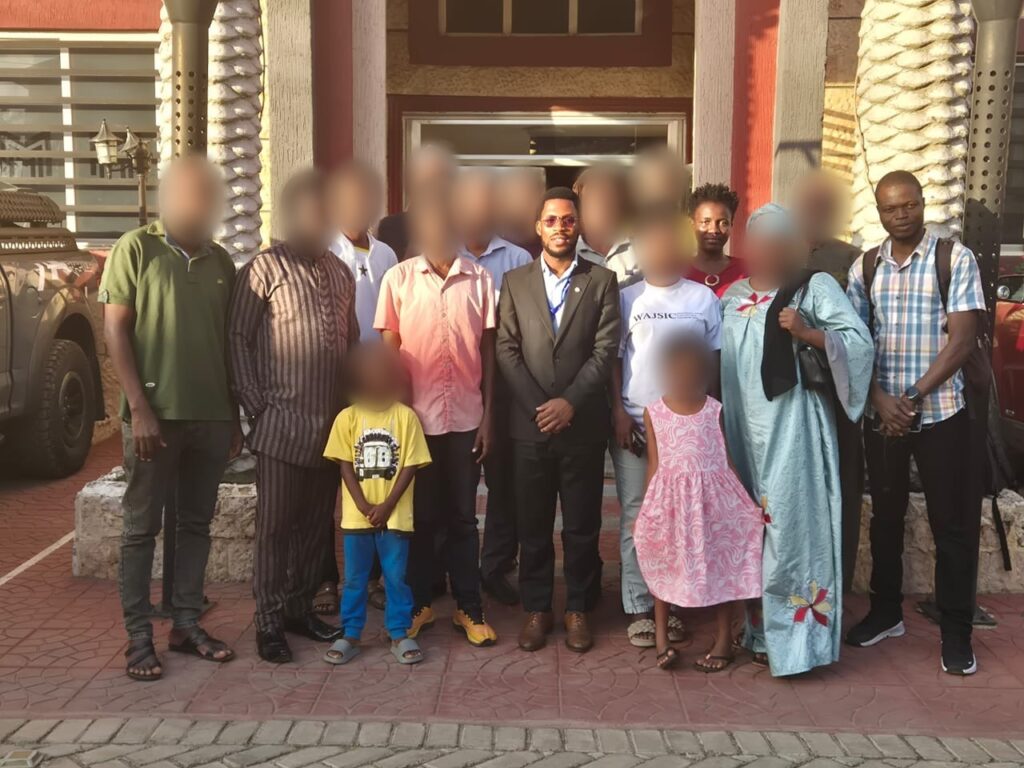
To help address these risks, the Whistleblowers, Activists and Journalists Safety International Center (WAJSIC), in collaboration with the Shelter Initiative, organised a three-day training for journalists and whistleblowers residing in WAJSIC safe houses in Ghana.
Participants from Ghana, French-speaking West Africa and other parts of the region received practical training in digital security, information verification and video editing.
Strengthening Digital Security
Cybersecurity expert Ephraim Gordor of the e-Crime Bureau led sessions on password protection, online privacy and safer digital practices.
Participants searched their names online to assess what information about them was publicly accessible. The exercise prompted some to review their phone and online-account settings and take steps to reduce their digital exposure.
“We learned how to organize, how to plan for our own security,” said one journalist from a French-speaking West African country.
A West African whistleblower said the training had improved their ability to protect not only their own digital footprint but also those of their families and loved ones.
“I’m in a better position to protect my digital footprint in terms of business, personal, my family, my relative, my loved ones.”
The training also emphasised information verification, with participants learning to examine images and online content before using or sharing them.
Turning Stories into Video
The second part of the workshop focused on video editing using Adobe Premiere.
Participants learned how to organise media files, set up editing projects and develop footage into finished stories. They were also introduced to the growing role of artificial intelligence in video production.
Trainers emphasised that journalists can produce and edit stories using tools available to them, from smartphones to laptops and desktop computers.
Participants were encouraged to resist the pressure to publish immediately, particularly when dealing with sensitive or unverified information.
Supporting Journalists at Risk
For journalists and whistleblowers facing threats, digital platforms are both essential working tools and potential points of vulnerability.
The training sought to strengthen participants’ ability to protect themselves, verify information and continue producing credible stories despite the challenges of displacement and insecurity.
For WAJSIC and the Shelter Initiative, the initiative forms part of their broader commitment to supporting journalists and whistleblowers forced from their homes because of threats to their safety.
In today’s digital newsroom, protecting a journalist’s digital life is increasingly part of protecting their ability to tell the story.
Whether you’re an organization, media house, donor, or advocacy group, your partnership can help us shelter whistleblowers, train journalists, and defend press freedom. Fill out this form and our team will get in touch to explore meaningful collaboration.
NB: All information shared is kept confidential and used solely to explore partnership opportunities with WAJSIC