
Wajsic Editor
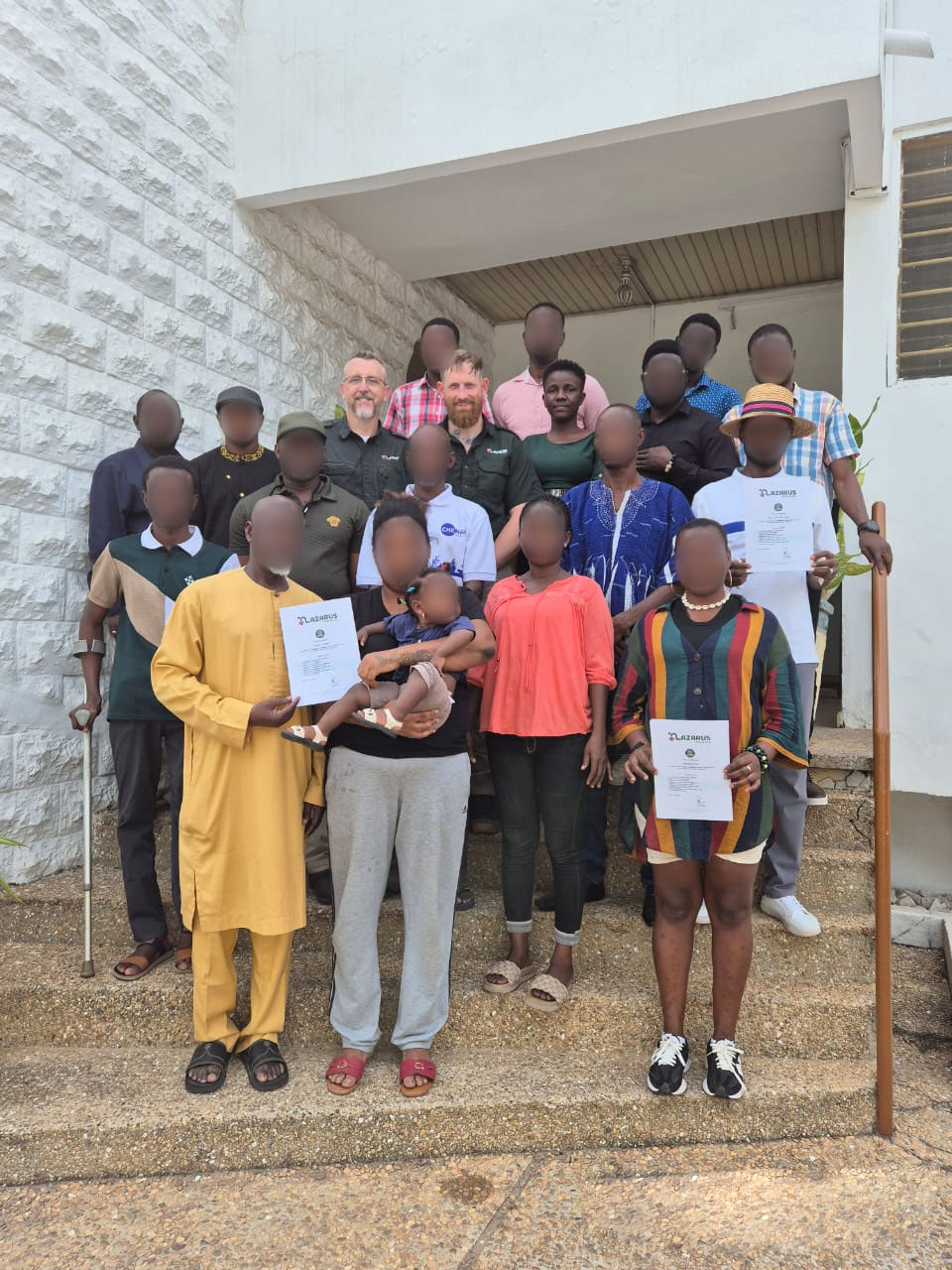
Accra, Ghana – For the journalists, whistleblowers, and activists living in WAJSIC safe houses across Ghana, danger is the reason they fled. But a five-day training administered by the Lazarus Training group, alongside Tiger Eye and supporters including the Open Society Foundation and the Netherlands Embassy Ghana, has given them something long denied: the skills to fight back, escape, and survive.
The training took place on the premises of Transparency International Ghana in Accra. Anas Aremeyaw Anas, the renowned undercover journalist and founder of WAJSIC, delivered a keynote address to open the workshop. He warmly welcomed all participants and assured them of how important the training was for their safety and future.
“This training is not just about learning skills,” Anas told the gathering. “It is about reclaiming your power. Every journalist, whistleblower, and activist in this room has already shown incredible courage. Now, we are giving you the tools to protect that courage. You are not alone. WAJSIC stands with you, and this training is proof that your safety matters.”
Anas encouraged the residents to participate actively, convinced that they would derive obvious benefits for their work and safety.
Trainers Steven and Glenn from Lazarus Group flew in from the UK to deliver the course, called FIRM (Field Integrity and Resilience in Media). In their introductory remarks, they stated that any serious work requires a plan, a methodology, and naturally, expected results.
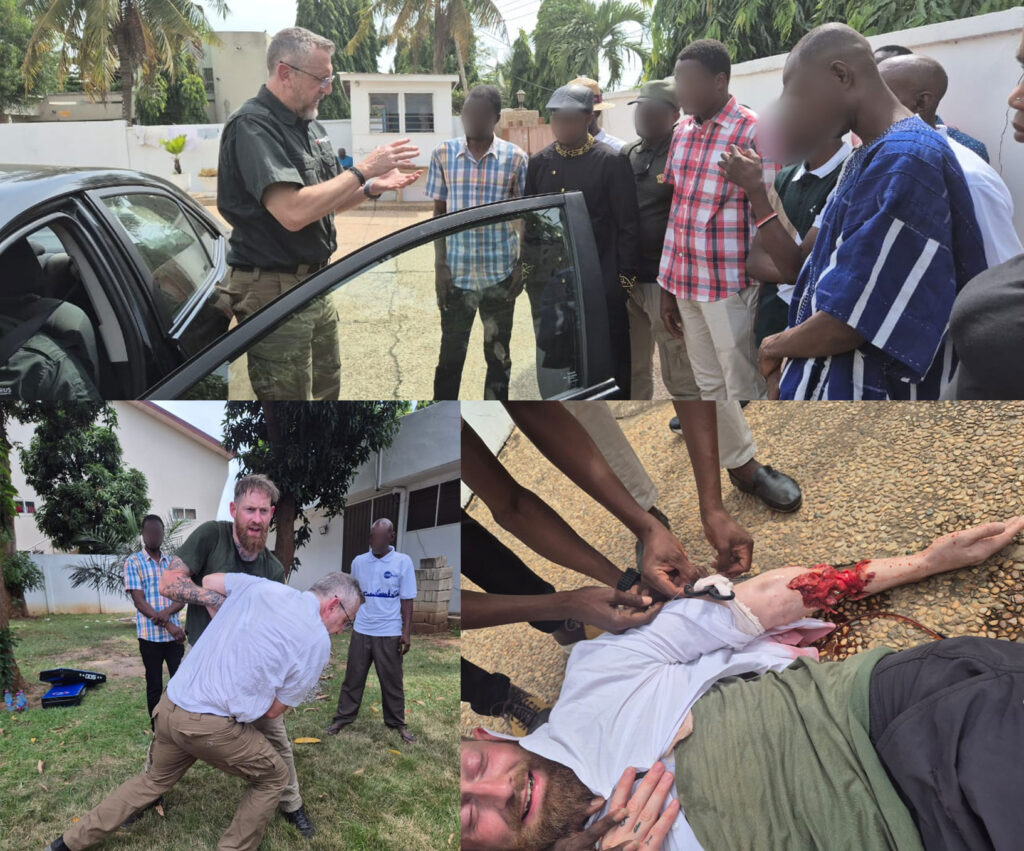
Over the five days, participants were introduced to a range of life-saving methods and practical skills. They learned the “Dr. CAB” method: D for Danger (observing the environment to ensure safety before intervening), R for Response (checking if the person being helped can respond), C for Catastrophic Bleeding (identifying spurting blood and methods to address it), A for Airway (ensuring the person’s airways are not obstructed), and B for Breathing (checking if the person is breathing).
They also learned action planning using the PACE method: Primary (define the project), Alternate (change plan), Contingency (analyze unforeseen events), and Emergency (related to emergencies). This was followed by practical application for a kidnapping and hostage-taking scenario, as well as field first-aid exercises.
The training included field exercises in tailing and counter-tailing, self-defence, first aid including tourniquet application, IT security, and safety recommendations for travel, hotel stays, poisoning cases, and resilience in difficult situations. Throughout, participants practiced using simple, everyday items as life-saving tools. A pen can become a weapon or an airway tool. A shirt can serve as a tourniquet. A car key can break a glass.
The five days of training were relentless. Each day, sessions significantly exceeded scheduled hours with enthusiasm, proof of participant engagement and instructor professionalism.
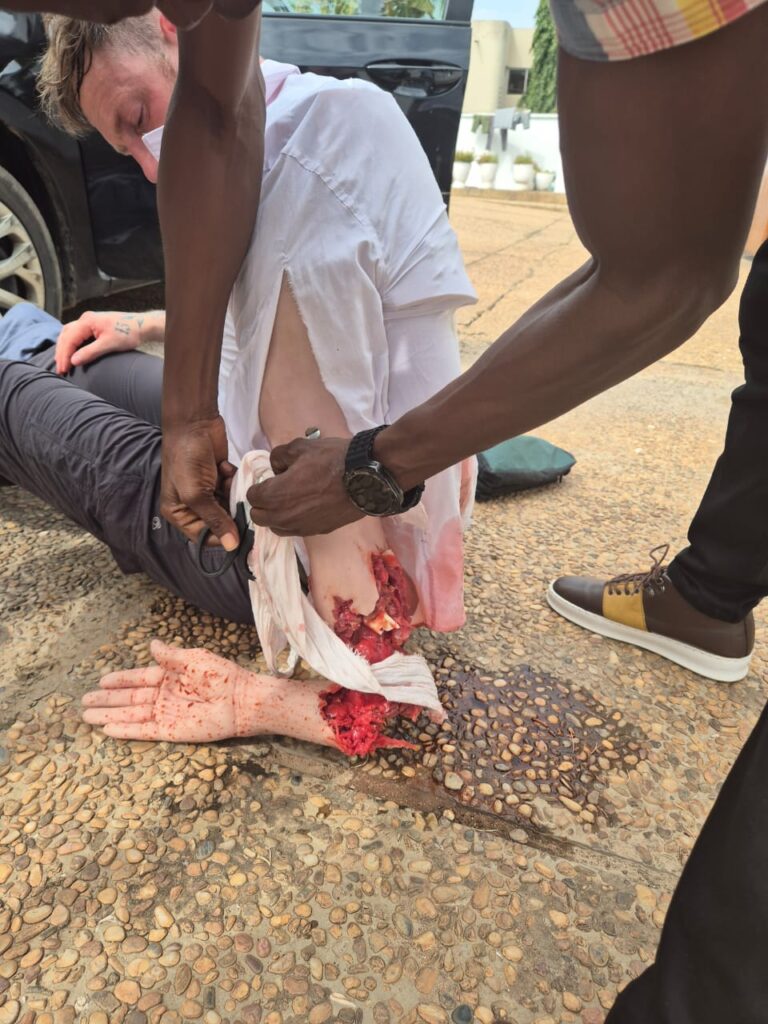
One resident, a journalist now living in a WAJSIC safe house, reflected on how the training has changed his outlook. He was attacked and shot in the hand last year up north in Ghana. “I think if I had this training earlier, my attackers wouldn’t have gotten me easily like that,” he said.
The group included not only Ghanaians but also French-speaking participants from neighboring countries, including Burkina Faso, Niger, Guinea, Mali, and Togo. One activist from Burkina Faso said, “I learned a lot and I liked it a lot. I would like to congratulate the trainers, the organizers and the management of WAJSIC for this training.”
At the end of the seminar, trainers awarded participation certificates recognizing the merits of the participants. They expressed hope that future seminars could be spread over a longer period due to the quantity and usefulness of the knowledge to be acquired and retained.
They called on donors and supporters to sustain the program so that other colleague journalists and whistleblowers could also benefit in the future. “This training will save us from future harm,” one participant said. “It must continue for others who are still out there, facing the same dangers we faced. We feel ready now.”
The training did not erase their past, but it fundamentally changed their future. They now know how to pack a bleeding wound, break a tail, and lock down their digital footprint. They have moved from being victims to being equipped. From hiding to preparing. From surviving to living.
Lazarus Training is a medical training provider specialising in enabling people to help themselves and each other, and to potentially save a life. This philosophy was on full display throughout the workshop, and its impact will stay with these survivors long after the training ended.
Whether you’re an organization, media house, donor, or advocacy group, your partnership can help us shelter whistleblowers, train journalists, and defend press freedom. Fill out this form and our team will get in touch to explore meaningful collaboration.
NB: All information shared is kept confidential and used solely to explore partnership opportunities with WAJSIC